01
Quick Start
Validate one data hall over 6–8 weeks with baseline KPIs.
- Telemetry readiness review
- Cooling and PUE baseline
- Initial anomaly and savings insights
Four AI/ML products, one operating model — clinical workflows, visual inspection, data center operations and nonprofit CRM. Explore the portfolio


AI Optimization for Data Centers
BMS, DCIM, SCADA, power, cooling and security telemetry turned into predictive insight and operator-approved actions.
01 — Capabilities
Forecast, detect, simulate — then a person approves.
02 — Where it works
Read-only telemetry from the facility you have — no new hardware to begin.
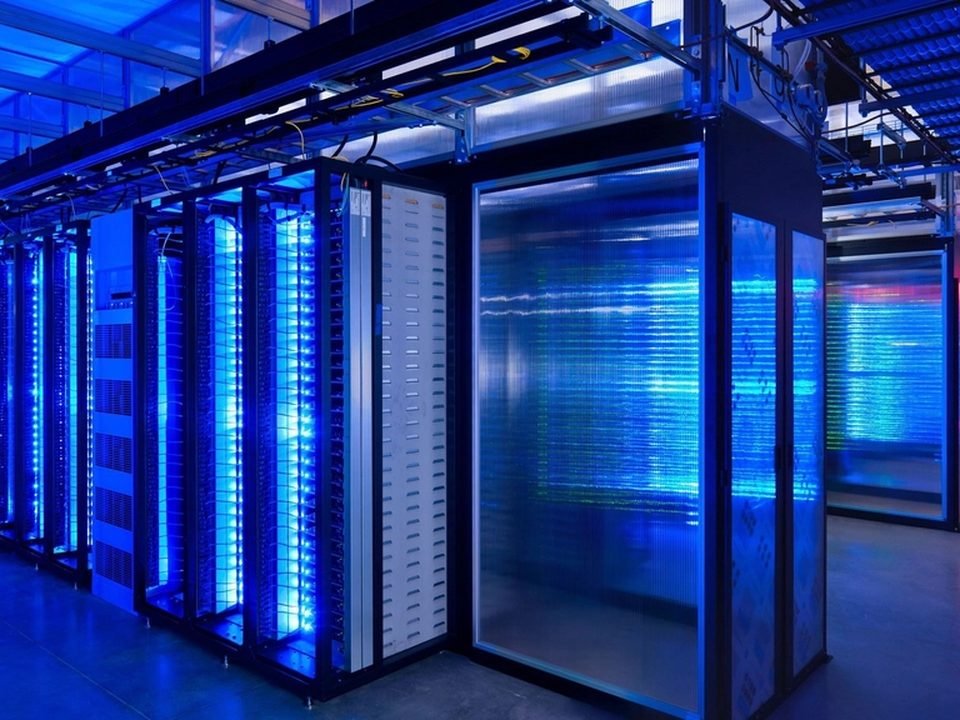

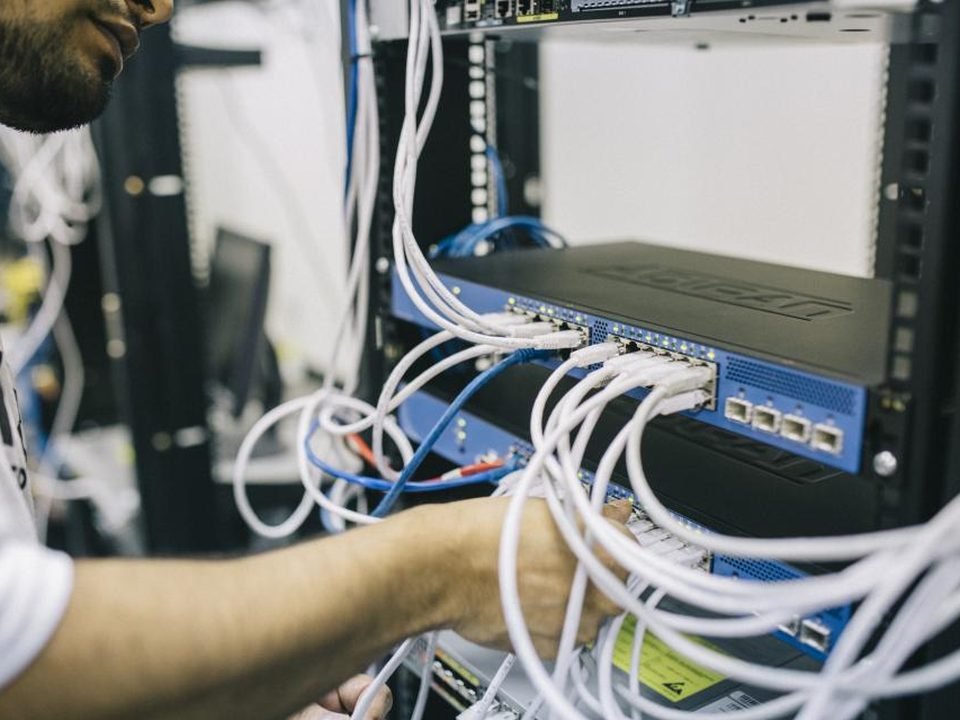
Representative photography, public domain. Not a customer facility.
03 — Workflow
BMS, DCIM, SCADA, meters, cooling plant, UPS, cameras, access.
Read-only pathwaysPUE, thermal limits, safe operating limits and success KPIs.
Before any recommendationForecast behaviour, detect anomalies, simulate cooling actions.
Forecast, detect, simulateOperators review recommendations and optional automation.
Human-in-the-loop by defaultCooling savings, PUE movement and reliability impact.
Against the agreed baselineOperational safety
Rule-based guardrails protect safety envelopes and compliance. Closed-loop automation runs only when explicitly approved.
04 — Governance
Controlled, read-only data pathways.
Recommendations reviewed before execution.
Safety envelopes and rule-based controls stay active.
Lineage, approvals, outputs and escalation context.
05 — Engagement
Start with one data hall, scale to managed operations, or align the model to verified savings.
01
Validate one data hall over 6–8 weeks with baseline KPIs.
02
Ongoing optimisation for cooling, reliability, capacity and SLA risk.
03
Commercial outcomes aligned to verified energy and reliability impact.
The savings figures are illustrative targets used to frame a pilot, not a measured result on your facility. A pilot is what turns them into numbers.
06 — FAQ
No. DataCenterAI augments existing DCIM and BMS infrastructure by adding predictive analytics, optimization recommendations, and system-level intelligence.
Yes. Human-in-the-loop review is the default. Closed-loop automation is optional and activated only when explicitly approved within safety limits.
BMS, DCIM, SCADA, power meters, CRAC units, chillers, pumps, UPS telemetry, cameras, access systems, and approved OT and cyber signals can be evaluated during integration planning.
A pilot can validate cooling savings, PUE improvement, anomaly detection, incident prevention, telemetry quality, and scale-out readiness.
Deployment can be on-premise, at the edge, or in a customer-approved cloud environment depending on security and operating requirements.
07 — Insights
AI Optimization for Data Centers