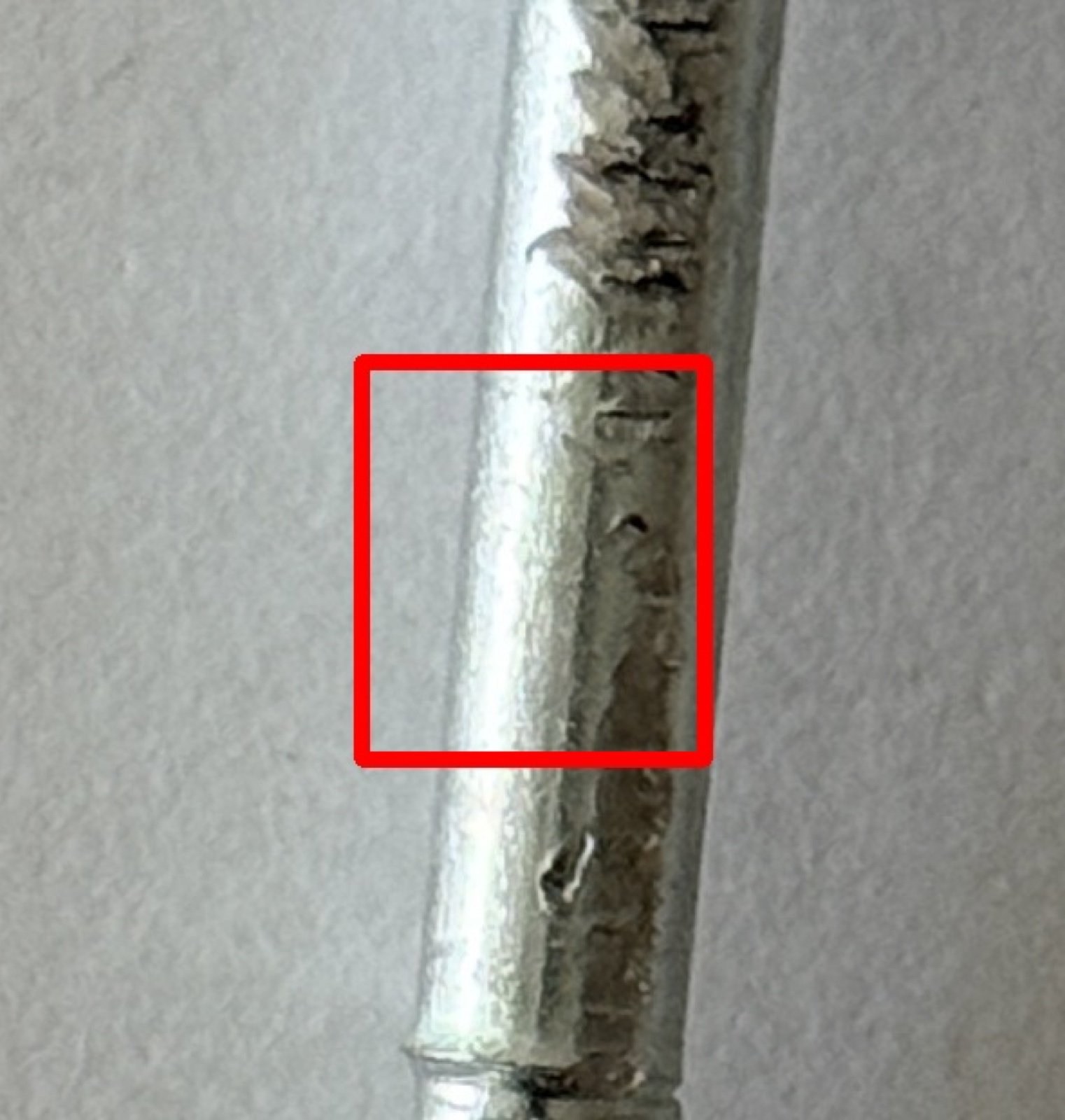
01 / 04
Annotation
Raw inspection images become governed training datasets with structured reviewer QA.
- Defect taxonomy agreed and written down first
- Boxes, pixel masks and classes on the same image
- Rejected labels kept, so mistakes teach the guideline
You stay in controlA reviewer approves every label before it enters a training set.
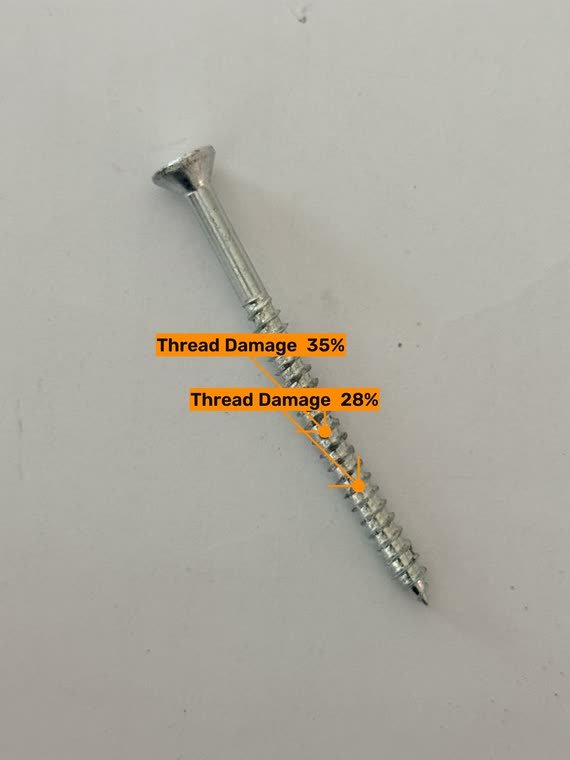
02 / 04
Segmentation
A mask says exactly which pixels — what turns a detection into a measurement.
- Pixel masks, not just bounding boxes
- Affected area reported in real units
- Part isolated from background before judging
You stay in controlYou set the area and severity thresholds that turn a region into a verdict.
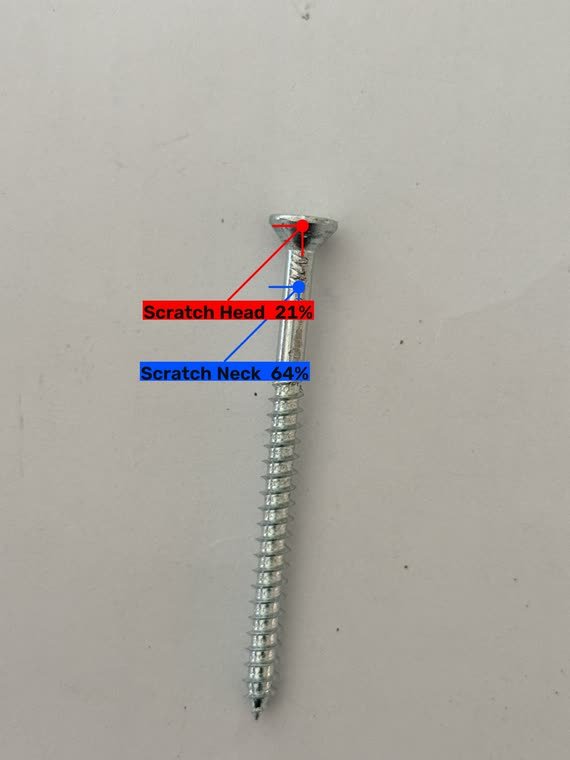
03 / 04
Detection and classification
Each finding gets a class from your taxonomy and a confidence.
- A class from your list, never a generic 'anomaly'
- Confidence printed beside every finding
- Borderline calls routed to a reviewer
You stay in controlThe confidence floor is yours, and the review queue catches what sits near it.
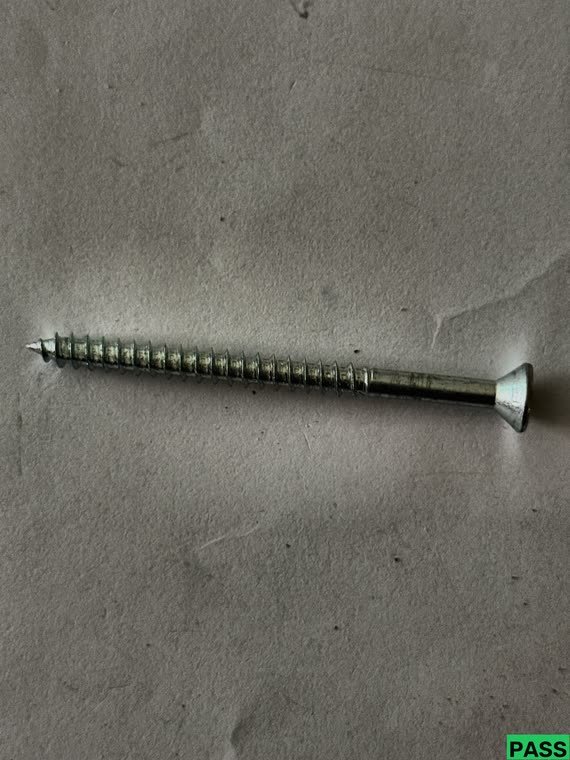
04 / 04
Deployment
A model ships only after it is benchmarked against a held-out defect library.
- Edge, in-line, on-premise or cloud
- Every result stamped with its model version
- Drift, throughput and trends tracked
You stay in controlYou decide when a new model replaces the one running, on evidence.